
Greece Tours: Easy Ideas For Every Season
Greece tours turn a large, popular country into days that feel effortless. Couples, families, friends and solo visitors all discover a style that suits them. Each journey mixes sights, a kind of tour and the extras that come with it.
This guide walks through the Cyclades, the classical sites, Athens, and Crete, Rhodes and Corfu. Each section explains what to see, which tours fit and what is included. Advice from My Greece Tours adds useful local information for every pace.
How Should You Plan Greece Tours In The Cyclades?
Plan the Cyclades around the sea. Choose a few islands, match each island to a tour style, and leave room for relaxing afternoons. Planning guides like Greece tours and Tours In Greece help you compare islands before you decide.
Which landmarks are worth the trip in the Cyclades?
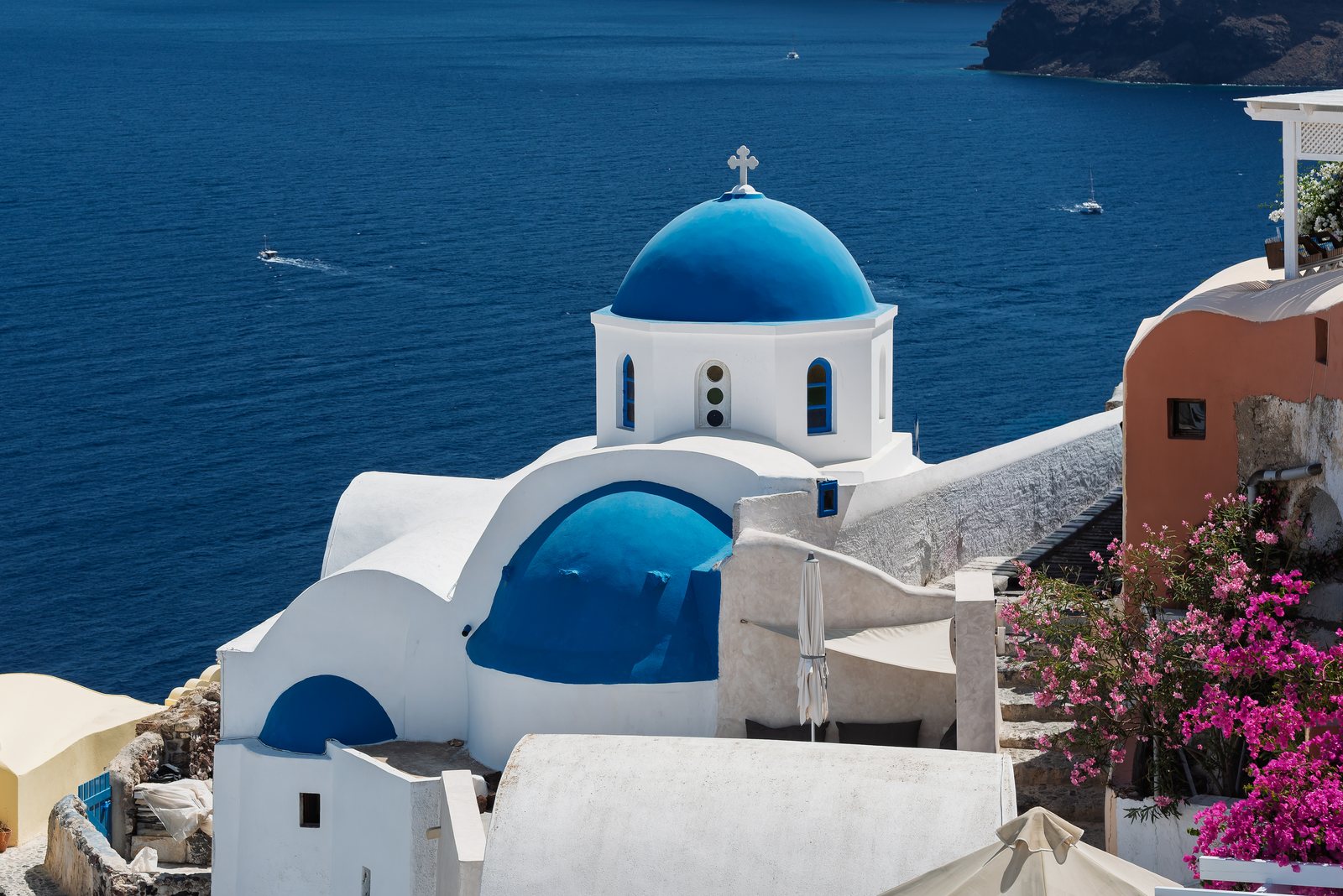
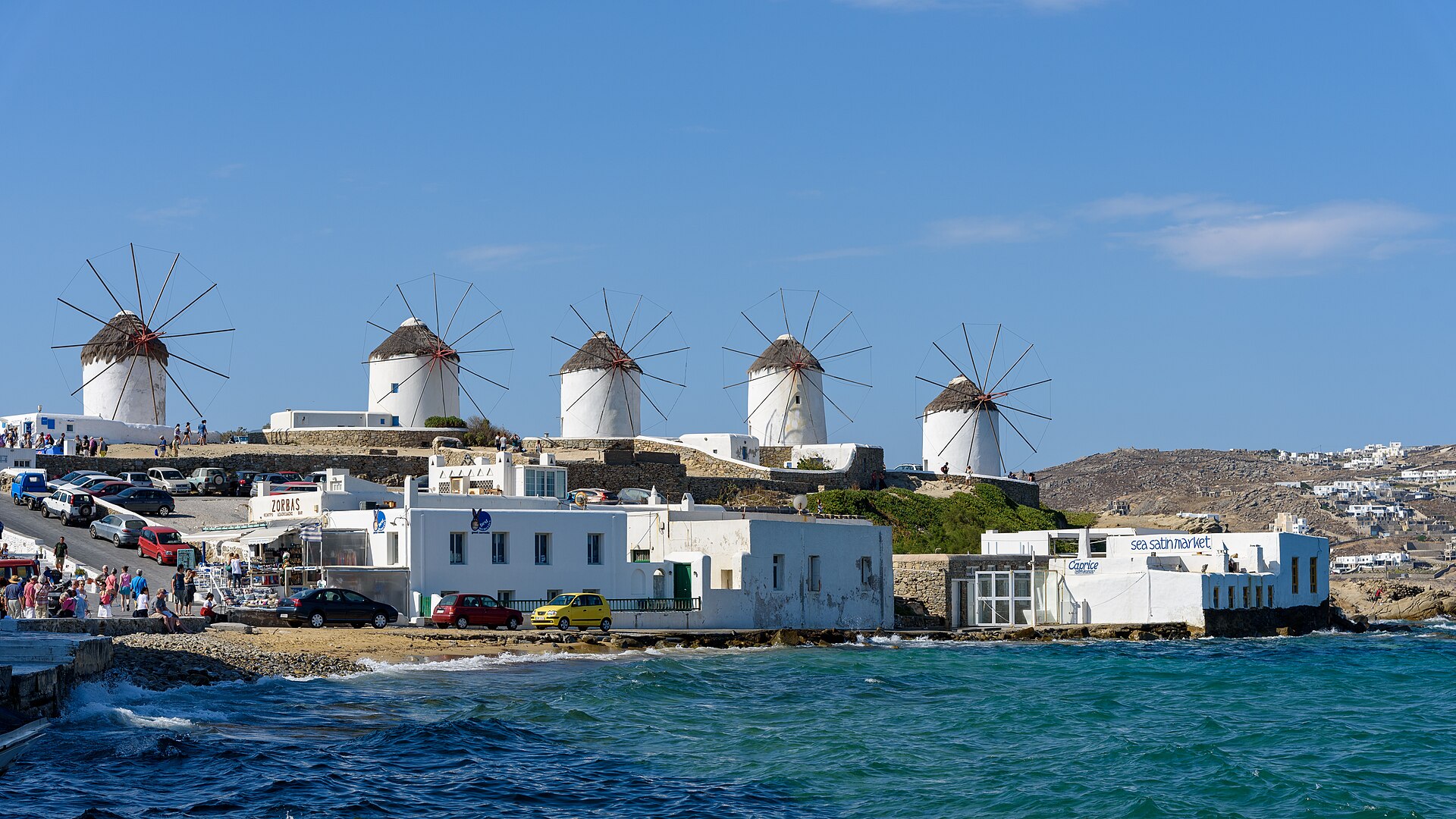
Santorini offers cliff villages on the rim of a flooded volcano, with white walls above deep blue water. Mykonos is famous for its windmills, which stand on a hill above the town and glow softly at sunset over the sea.
Delos is a sacred island where ancient ruins stand in the open air. Milos shelters beautiful sea caves that boats reach easily. Naxos has an old town of lanes and a marble gate. Naoussa on Paros is a lively harbour.
Which Greece tours work best in the Cyclades?
Private tours with a driver-guide or skipper suit couples and families, since the price covers the whole party. Boat cruises with swim stops work for friends and solo travelers who love the sea and a relaxed, comfortable pace.
Full-day trips from Athens by coach suit visitors with limited time. Snorkel and beginner scuba trips delight active families and curious solo travelers. Cooking classes and wine tastings suit couples and friends who want a slow, delicious day.
Which inclusions matter on Greece tours in the Cyclades?
Lunch or a BBQ meal on board keeps energy and spirits up between swims. Drinks, sometimes unlimited, keep everyone cool on warm afternoons. A licensed or local guide explains each stop in plain words, so the history feels clear.
Snorkel gear lets beginners see colorful fish without extra shopping. Free time to explore lets couples wander and families relax. Wine tastings add a local flavor, and swim stops give every traveler a refreshing break in clear, blue water.
How can you enjoy the Cyclades more?
Visit in spring or early autumn, when the seas stay calm and the light turns soft. Wear a hat, sunscreen and comfortable shoes for steep, polished lanes.
Pack a light layer for breezy decks and a small towel for swim stops. Read about the top Greek islands to visit to choose the perfect mix for your own pace.
Which Greece Tours In The Classical Sites Suit Every Traveler?
Greece tours to the classical sites suit everyone, since guides turn ancient stones into stories that children and adults can follow. Choose your tour style first, then match it to the sites you want to see on this trip.
Which landmarks are worth the trip in the classical sites?
Delphi was a sanctuary where visitors once asked the gods for advice through a priestess. The monasteries of Meteora sit on towering rock pillars, reached by stone steps and viewpoints. Both places feel far above everyday life, calm and dramatic.
The citadel of Mycenae has a gate carved with lions. Epidaurus has a theatre where a whisper carries clearly. Nafplio is a beautiful harbour town. Ancient Olympia hosted the early Olympic Games. The canal at Corinth is a narrow channel.
Which Greece tours work best in the classical sites?
Small tours with only a few guests feel personal and suit solo travelers and couples who like to chat with the guide. Full-day trips from Athens by coach cover the major sights without any driving stress on narrow roads.
Guided walking tours bring the ruins to life for families and curious friends. Entry tickets suit travelers who prefer to explore at their own pace. Multi-day tours with hotel nights let you see Meteora and Delphi comfortably.
Which inclusions matter on Greece tours in the classical sites?
A licensed or local guide is the most valuable extra at any ancient site, because bare stones say very little alone. Guides explain the myths and the building techniques in plain words, so even young visitors stay curious.
Entry tickets save time at popular gates and keep the day organized, so you spend more time among the ruins. On multi-day trips, hotel nights remove the stress of finding rooms and give you rest between long, rewarding days.
How can you enjoy the classical sites more?
Begin early to beat the heat and the crowds, since the best light falls on the stones in the morning. Wear comfortable shoes, because ancient paths are uneven and dusty.
Carry water, a hat and a light scarf for cool temples and windy hilltops. Leave time to sit and simply look, because the scenery deserves a slow pace.
Where Do Greece Tours Go In Athens?
Greece tours in Athens start at the Acropolis, then spread out to museums, historic markets, hilltop views and the sunny coast. This Athens itinerary for first-timers shows how all of these pieces fit together in a relaxed schedule.
Which landmarks are worth the trip in Athens?
The Acropolis rises high over the city with the Parthenon, a vast marble temple. The Erechtheion has a porch held up by stone statues of women. The Acropolis Museum below shows the treasures from the hill in bright, spacious halls.
The Ancient Agora was the market and meeting place. The Temple of Olympian Zeus has enormous columns. Plaka and Monastiraki offer lanes and shops. Lycabettus Hill gives the finest view. The Temple of Poseidon at Cape Sounion glows at sunset.
Which Greece tours work best in Athens?
Private tours with a driver-guide or skipper fit couples and families, and the price covers the whole party. Boat cruises with swim stops give solo travelers and friends a refreshing break from the city heat and noise.
Guided walking tours make the historic center easy to follow for first-time visitors, and the guide answers every question on the way. Cooking classes and wine tastings give couples and friends a delicious lesson in local life and food.
Which inclusions matter on Greece tours in Athens?
Lunch or a BBQ meal gives a pleasant pause in a busy day. Drinks, sometimes unlimited, matter on a warm city walk or a boat deck. A licensed or local guide adds stories you will not find on a sign.
Wine tastings teach you what to taste and why, which turns a simple glass into a small story. Swim stops on a cruise let you refresh yourself after hours of stone and sun, and families and friends enjoy them.
How can you enjoy Athens more?
Visit the Acropolis at opening time or late in the day. The light is golden then, the marble is cooler and the crowds are thinner for photographs.
Wear comfortable shoes, because polished stone is slippery and steps are steep. Bring a refillable bottle and a hat, and plan a leisurely lunch in the shade of a taverna.
Which Greece Tours In Crete, Rhodes And Corfu Do Travelers Remember?
Greece tours in Crete, Rhodes and Corfu mix castles, ancient palaces and beaches, so travelers remember the stories and the swims. Add a few hidden gems in Crete to balance the popular highlights with quiet corners and local cafes.
Which landmarks are worth the trip in Crete, Rhodes and Corfu?
Knossos, near Heraklion, is the grand palace of the ancient Minoans, a people who ruled Crete long ago. The beautiful Venetian port of Chania has pastel houses and a historic lighthouse. Balos lagoon glows a soft turquoise in bright sunshine.
Rhodes has the Street of the Knights, a medieval lane of stone halls. The acropolis of Lindos crowns a white town above the bay. Corfu has massive fortresses by the sea. The Blue Caves of Zakynthos shine with sparkling water.
Which Greece tours work best in Crete, Rhodes and Corfu?
Private tours with a driver-guide or skipper let couples and families set the pace, and the price covers the whole party. Boat cruises with swim stops take friends and solo travelers to peaceful bays and clear, warm water.
Full-day trips from Athens by coach cover the mainland side of a longer plan. Guided walking tours suit historic towns, and entry tickets suit travelers who like their own pace. Cooking classes and wine tastings add flavor to evenings.
Which inclusions matter on Greece tours in Crete, Rhodes and Corfu?
Lunch or a BBQ meal by the water turns a tour day into a feast. Drinks, sometimes unlimited, keep everyone comfortable in the sun. A licensed or local guide shares the story behind each palace, fort and old street.
Entry tickets mean no waiting at the gate and more time inside the palace walls. Wine tastings let you try traditional flavors, and swim stops reward a morning of sights with a refreshing dip in clear water.
How can you enjoy Crete, Rhodes and Corfu more?
Book boat days for the morning, when the sea is calm and the light is clear. Take sunscreen, water shoes and a waterproof bag for your phone and valuables.
Pack a warm jacket for evenings by the sea. Leave some space in the plan, because the best bays and old towns invite a relaxed, leisurely stay.
Conclusion: Greece Tours, Planned Well
Greece tours work because they remove the guesswork from a large, beautiful country with so much to explore. The sights, the tour style and the extras work together, so every traveler spends more time exploring and less time planning.
Check the best time to visit Greece before you choose dates, then match your tour style to your pace. With that plan, couples, families, friends and solo travelers all return home with wonderful stories, new memories and sandy shoes.
Frequently Asked Questions About Greece Tours
Do Greece tours include a guide?
Many do, with a licensed or local guide who explains each stop in plain words and answers questions along the way. Review the tour details so you know when the guide leads and when free time begins.
Can Greece tours be private?
Yes, private tours with a driver-guide or skipper are popular across the country, and the price covers the whole party. They suit couples, families and friends who want their own pace, a flexible plan and room for surprises.
Can Greece tours mix islands and ancient sites?
Yes, many Greece tours link the capital, the mainland sites and the islands in a smooth, well-paced plan. Multi-day tours with hotel nights make that mix easy, because the whole itinerary is arranged before you even arrive.
Which month suits Greece tours best?
Late spring and early autumn suit most visitors, with warm seas, softer light, fewer crowds and available tables at the best cafes. Summer brings the hottest swims and the busiest islands, so reserve early if you travel then.
Are Greece tours good for couples?
Yes, couples enjoy sunset cruises, wine tastings, cooking classes and private tours that set a calm and romantic pace. Each gives time together, plus free time to explore the historic lanes, charming shops and quiet corners.
Which season is quietest for Greece tours?
Winter is the quietest season, with calm streets at the major sites, short lines and lower demand for rooms and seats. Island services slow down then, so confirm each tour and its schedule before you book your trip.
How do you manage tickets for Greece tours?
Most Greece tours handle entry tickets for travelers, but the booking should state clearly whether site entry is already covered. Reading that line before paying avoids unpleasant surprises with extra costs at the gate.
What does a tour ticket cover?
Some Greece tours include site entry, while others cover only transport and a guide for the day. The booking page lists what is already paid and what is left to pay on the spot.
Travelers who plan to see the big museums should read that line twice. A missing entry fee changes the real cost of the day.
Extras deserve a look as well, such as audio devices, lockers and special exhibitions. A clear list of what is included prevents awkward conversations at the ticket window.
How do museum and ruin tickets work?
Major sites sell entry online, and many reservations for Greece tours carry a set time slot for each visitor. Travelers should keep the confirmation on a phone and carry a paper copy as backup.
Lines at famous sites grow fast by late morning. An early slot lets travelers see the main ruins comfortably, before the heat and the crowds build up.
The Greek art and museums guide shows which museums need early planning. The guide to ancient Greek ruins helps travelers choose which sites deserve a full visit.
Only state-licensed guides are allowed to lead visitors inside Greek archaeological sites and museums. A tour that lists a licensed guide takes care of that rule.
How do you budget for Greece tours?
A good budget for Greece tours covers the fee, entry costs, meals, local transport and a small cushion for surprises. Setting each part aside early keeps the trip relaxed.
Where does the money go on Greece tours?
The largest part is the tour itself, followed by flights, hotels and ferries. Meals and small treats make up the rest and change with each traveler’s taste.
Eating well does not have to be costly. A morning at the local food markets gives travelers fresh fruit, warm pastries and good cheese at friendly prices.
Souvenirs, tips and small snacks add up faster than most travelers expect. A little cash set aside for them keeps the card spending easy to follow and the daily budget honest.
How can travelers save without missing the best parts?
Travel outside the busiest summer weeks, when beds and flights cost less. Spring and autumn also bring cooler weather for long walks at the big sites.
Independent day trips from Athens stretch a budget well, since public buses and trains cost far less than private cars.
Meals in the busiest squares cost more than meals one street away. A short walk often leads to a better plate at a fairer price.
Free time can also be cheap time. A beach day, a harbor stroll or a hill walk costs little, yet on Greece tours it often becomes the favorite memory.
How early should you book Greece tours?
Book Greece tours once flights and dates are fixed, because popular islands and guided days fill up first in busy seasons. Quiet months allow more freedom, but a plan still helps.
Which tours need the most notice?
Sunset cruises, private boats and tours with island ferries sell out first. Seats on these depend on the size of the boat and the weather on the day.
Island hopping needs the most care, since ferry times shape every day. The guide to island tours from Athens shows how to fit the sea legs together.
Peak summer needs the longest lead time for Greece tours. Early booking also gives the best choice of start times, and a morning slot is cooler, quieter and easier on tired legs.
When is it fine to wait for Greece tours?
City walks, museum visits and short day trips often have space close to the date. Travelers visiting in spring or autumn can usually make their decisions much later.
Last-minute deals appear in quiet months, yet nobody can count on them. Travelers with fixed dates should lock in the key tours first and keep the remaining days open for discoveries.
A flexible plan keeps one open day for rain, rest or a happy surprise. That extra slack makes the whole experience calmer and far more enjoyable.
How do couples pick Greece tours?
Couples pick Greece tours by matching pace and mood first, then adding the views, food and culture that both partners enjoy. Honest conversation about energy levels and expectations saves many arguments later.
What makes a trip feel romantic?
Quiet moments and unhurried time matter more than long lists of attractions. Sunset terraces, slow dinners and a walk through old lanes do more than any rush between sights.
Small private touches add a lot as well. A table with a view or a swim in a quiet cove turns an ordinary day into a shared memory that lasts.
Many couples build one day around a long meal or a tasting. The popular wine regions in Greece suit a slow afternoon of local wine and open views.
Couples who love photos can read photography tips for Greece tours to catch the golden hour at its best.
How do partners share different interests?
One partner often loves history while the other prefers beaches and food. Well-planned Greece tours give each of them a turn to lead the day.
A simple rule helps with compromise during the planning. Each partner picks one highlight per day, and both agree on the meals and the rest time.
A short Greek history primer turns old stones into stories both can follow. Design lovers will enjoy the guide to famous Greek architecture, which explains column styles in plain words.
Myth fans can add the top Greek mythology sites. The Greek legends and historical sites guide links each tale to a real place on the map.
Which Greece tours suit families?
Families do best on Greece tours with short travel days, shaded stops and activities that children truly enjoy, like boats and beaches. Variety keeps young minds busy and keeps parents calm and cheerful through the whole day.
What keeps children interested on Greece tours?
Stories work better than historical dates for young visitors. Myth tales, castle walls and boat rides turn learning into play without any long lectures.
Wildlife and nature trails give restless energy a useful place to go. The guide to the best nature reserves to visit points families toward green places where children can explore freely.
Interactive places hold attention longest. A boat deck, a hill fort or an old theater with echoing stone steps lets children move, shout and learn at once.
Short breaks keep the mood bright. A snack stop, a swim or an ice cream after a hot climb works better than pushing on without a pause.
How do families handle long travel days?
Slow trains and ferries let children walk around, snack and look out of the window. The scenic train rides in Greece give parents a chance to rest as well.
Smart families plan one big sight per day and leave the afternoon free for a pool or a beach. Tired children enjoy tomorrow more when today ends early.
Parents who care about nature can read about sustainable travel in Greece together with their children. Then they can choose Greece tours that protect the places everyone loves.
Comfortable accommodation matters as much as sights. A hotel with a pool, a kitchen corner or two rooms side by side makes early mornings and bedtime far easier.
Which Greece tours suit couples?
Couples enjoy Greece tours that mix scenery with privacy, such as scenic drives, quiet villages and relaxed island boat days. Slow plans leave plenty of space for real conversation and unhurried moments.
Where can couples find quiet?
Hillside villages offer calm streets, traditional taverns and wide night skies.
The hidden gems beyond the tourist trails show where couples can find that space away from the busiest lanes.
Couples can also choose eco-friendly places to stay that add calm and support local families. Many Greece tours now include such stays in the plan.
Slow dinners at small family taverns often become the best memory of a trip. Local dishes, warm service and a harbor view need no extra planning.
How do couples add views to Greece tours?
A road trip gives couples full control of the pace. The guide to scenic drives in mainland Greece shows routes with sea views, mountain roads and village stops.
Tours with a private driver let both partners enjoy the view and the local wine. Nobody has to watch the road, so everyone relaxes.
Evening arrangements matter too. A quiet dinner after a full day beats a packed schedule, and a late swim at sunset costs almost nothing.
Boat days add a different kind of view. A calm cruise along a quiet coast, with a swim stop and a simple lunch, suits couples who want to unwind.
Which Greece tours suit friends traveling together?
Friends enjoy Greece tours with active, social plans such as easy walking routes, island hopping and long shared meals at night. Shared jokes and shared plans make these trips fun and memorable for everyone.
What do friends enjoy doing together?
Walking suits friends because conversation comes easily on the move. The guide to Greece walking tours explains routes, paths and ways to explore on foot.
Ferries are part of the fun, with deck seats, snacks and new ports. This guide on how to travel between Greek islands covers ferries, flights and smart routes.
Cooking classes, beach activities and sunset drinks add variety. A mix of active and lazy days keeps everyone happy on Greece tours.
Active friends can add a sea kayak or a bike ride on a flat island road. Easy activities like these keep everyone involved on Greece tours, whatever their fitness level.
How do friends keep plans easy?
One friend can handle the booking while the others share the costs by phone. Clear roles keep the planning simple and friendly.
Friends who want to see the Acropolis should read about buying Acropolis tickets in advance so nobody waits in the sun.
Each friend can pick one favorite activity for the week. A simple turn-taking rule stops long debates over dinner.
Shared rooms and shared taxis keep costs low, and a joint chat on the phone keeps everyone informed. Travelers who agree on the budget early avoid awkward moments later.
Which Greece tours suit solo travelers?
Solo travelers do well on Greece tours with a guide, a clear meeting point and shared activities that make friends easy. Safety and company come built into the plan, which makes the first day much easier.
How do solo travelers meet people?
Walking routes, cooking classes and boat days bring strangers together naturally. A shared task gives everyone something to talk about.
Quiet places suit solo reflection too. The guide on how to visit Greek monasteries covers rules, routes and respectful dress.
Evening food walks and tavern tables are friendly ways to meet people. Many Greece tours end the day with a shared meal.
Solo travelers also gain freedom, because each day follows one person’s mood. A morning tour with a free afternoon gives both company and quiet time.
How do solo travelers stay comfortable at busy sites?
An early start helps at the Acropolis, where lines grow quickly. These tips on avoiding crowds at the Acropolis show how to plan the visit.
A fixed meeting point and a licensed guide add confidence. Solo travelers should also share the day’s plan with family or a friend at home.
Keep a phone charged and carry a paper copy of the hotel address. Simple habits make Greece tours worry-free for anyone traveling alone.
Daylight arrival and a clear map of the route from the port or airport remove most of the stress.
Which places do Greece tours visit?
Greece tours visit three kinds of places: sunny small islands, historic mainland sites and the larger islands with their own culture. Each place below links to its own page with more detail.
Islands
These islands suit travelers who want beaches, views and relaxed days between boat rides and long lunches by the water. Each island has its own mood, so mixing a busy one with a quiet one makes the trip richer.
- Santorini is known for volcanic cliffs, sunsets and white villages above the sea
- Mykonos is known for windmills, lively beaches and a pretty whitewashed harbor town
- Naxos is known for long sandy beaches and a famous ancient marble gateway
- Paros is known for fishing harbors, sandy coves and pretty inland villages
- Milos is known for white volcanic rock shapes and colorful fishing houses
Mainland
The mainland adds ancient stories, big museums and mountain scenery. Many travelers pair a few of these stops with an island visit, which balances history with rest.
- Athens is known for the Acropolis, the Parthenon and busy old neighborhoods
- Delphi is known for its ancient oracle, mountain setting and valley views
- Meteora is known for monasteries built on tall natural rock towers
- Olympia is known as the birthplace of the ancient Olympic Games
- Epidaurus is known for its ancient theater with remarkably clear sound
Large islands
The bigger islands offer many days of exploring, from beaches and mountains to old towns. Travelers often pick just one of them for a whole trip, since the roads and distances are long.
- Crete is known for Minoan palaces, deep gorges and very long coastlines
- Rhodes is known for its medieval walled old town and sandy beaches
- Corfu is known for its Venetian old town, green hills and calm bays
- Kefalonia is known for turquoise bays, sea caves and quiet mountain villages
How do you plan Greece tours over five days?
Plan five days of Greece tours by starting in Athens, adding one mainland site and ending on an island for rest. This order keeps travel short and builds from history on land to relaxation by the sea.
Start with Athens
Athens works well as the base for the first days, because flights, trains and ferries all meet there. The Acropolis and its museum fill a morning, and the old streets fill the evening.
A ready-made plan, such as this Athens, Santorini and Mykonos itinerary, shows how to order the first stops.
Evenings suit a slow dinner in a plaza, where tired feet can rest and the next morning can be planned. Early starts keep the heat and the crowds away from the main sights.
Add one mainland site
Delphi, Meteora and Olympia each make a strong extra stop. Choose by interest: oracle stories, rock monasteries or the roots of the Olympic Games.
Travelers who prefer their own pace can follow a self-guided Greece itinerary for tips on trains, buses and timing.
Buses and trains reach most of these places from Athens. A good guide brings the old stones to life with stories that children and adults both enjoy.
A guided day removes the stress of timetables and car hire, while a self-driven day gives freedom to stop at viewpoints. Both styles work, so the choice depends on comfort and budget.
Finish on an island
Fly or take a ferry to the last stop and spend the final days unwinding. One island is enough, because moving every night wastes the short time.
Those who want more than one island can read about Greek island hopping to compare routes and boat types.
Pack a swimsuit and a light layer for the boat, then keep the last morning free. A slow breakfast by the sea is the best way to end a busy trip.
More questions about Greece tours
Travelers ask the same practical questions before any trip, and the short answers below cover snacks, pace, private boats, bookings and bags. Each answer is short and written for everyday use by any traveler.
Can you bring snacks on Greece tours?
Yes, light snacks and water are fine on most Greece tours, though food is usually not allowed inside museums and ancient sites. Fruit, nuts and bread rolls travel well and give a quick lift between stops.
Are Greece tours fine for people who walk slowly?
Yes, many Greece tours move at an easy pace, and slow walkers can choose routes with short walks and plenty of rests. Old stone paths can be steep, so good shoes and a word with the guide help.
Can a family book a private boat on Greece tours?
Yes, a family can book a private boat on many island Greece tours, with a skipper and a flexible route. Private boats suit children well, because the pace is easy and swim stops are frequent.
Can you pay for several Greece tours in one booking?
Yes, many operators let travelers pay for several Greece tours in one booking, which keeps dates and receipts in one place. Travelers should confirm the terms for changes, refunds and pickup details before paying.
Which bag suits Greece tours best?
A small, light day backpack with zip pockets suits Greece tours best, because it keeps both hands free. Large bags can slow down security checks at museums, so a compact pack saves time.
What should you pack for Greece tours?
Pack light clothes, a hat, sunscreen, a refillable bottle and comfortable shoes with good grip for long days out. Add a light jacket for boat decks and evenings, plus a scarf for visits to monasteries.
See more in Ydravlikoslarisa:
